 Call Us : 08045801784Call Us : 08045801784

 Send Inquiry
GI Perforated Cable Trays
Price 99 INR/ Meter
MOQ : 1 Unit
GI Perforated Cable Trays Specification
- Max. Working Load
- Up to 150 kg/m (varies by size)
- Conductor Material
- Iron
- Deflection
- Within IS limits (as per IS 1079/IS 513)
- Surface Finish
- GI Galvanized
- Product Type
- Perforated Through
- Material
- Other
- Standard Thickness
- 1.2 mm to 2.5 mm
- Length
- 2500 mm
- Width
- 100 mm to 900 mm
- Side Rail Height
- 40 mm to 150 mm
- Weight
- Variable (depends on dimension & thickness)
- Dimension (L*W*H)
- 2500 mm x 100/900 mm x 40/150 mm
- Color
- Other
- Mounting Type
- Wall mounted/Floor mounted/Suspended
- Corrosion Resistance
- Excellent (due to GI coating)
- Edge Type
- Smooth rounded edges for cable protection
- Packing Type
- Standard or customized packaging
- Ventilation Rate
- High (uniform perforations for air circulation)
- Accessories Available
- Bends, Tees, Reducers, Couplers, Covers, Clamps
- Application
- Power & Data cable management in industrial and commercial projects
- Standards Followed
- IS 1079, IS 513, IEC 61537
GI Perforated Cable Trays Trade Information
- Minimum Order Quantity
- 1 Unit
- Payment Terms
- Cash in Advance (CID)
- Supply Ability
- 500 Units Per Week
- Delivery Time
- 7 Days
- Sample Available
- Yes
- Sample Policy
- Free samples available with shipping and taxes paid by the buyer
- Main Domestic Market
- All India
GI Perforated Cable Trays About
Key Features:
Material: High-quality Galvanized Iron (GI) for corrosion resistance and durability
Perforations: Uniformly spaced holes or perforations for cable management and airflow
Design: Tray design allows for easy cable installation, management, and maintenance
Finish: Galvanized finish provides corrosion resistance and protection against harsh environments
Benefits:
Corrosion Resistance: GI material provides excellent corrosion resistance, ensuring long-lasting performance
Cable Management: Perforated design allows for easy cable installation, management, and maintenance
Airflow: Perforations provide excellent airflow, helping to dissipate heat and reduce cable degradation
Durability: GI material ensures high strength and durability, supporting heavy cable loads
Applications:
Industrial: Cable management in industrial settings, such as manufacturing plants, power plants, and chemical plants
Commercial: Cable management in commercial buildings, such as offices, shopping malls, and hospitals
Infrastructure: Cable management in infrastructure projects, such as transportation systems, data centers, and telecommunications facilities
Specifications:
Tray Size: Various sizes (e.g., 50mm x 50mm, 100mm x 100mm) to suit different cable management requirements
Material Thickness: Various thicknesses (e.g., 1.6mm, 2.0mm) to suit specific application requirements
Perforation Pattern: Various patterns, such as square, round, or slotted, to suit specific cable management requirements
Finish: Galvanized finish provides corrosion resistance and protection against harsh environments
Superior Ventilation and Durability
Engineered with uniform perforations, these GI cable trays maximize air circulation and minimize heat buildup, protecting cables from thermal stress. The high-quality GI galvanization process offers exceptional resistance to rust and corrosion, ensuring long-lasting performance even in challenging industrial environments.
Flexible Installation & Comprehensive Accessories
Whether your application requires wall mounted, floor mounted, or suspended setups, these trays adapt seamlessly to your project's needs. With a variety of available accessories-including bends, tees, and reducers-cable management becomes both straightforward and highly configurable for complex layouts.
Engineered for Compliance and Protection
Manufactured in accordance with IS 1079, IS 513, and IEC 61537 standards, every detail-down to the smooth, rounded tray edges-ensures premium cable protection, structural integrity, and safe operation on site. This attention to compliance safeguards your project investments.
FAQ's of GI Perforated Cable Trays:
Q: How do the uniform perforations in these GI cable trays benefit cable management?
A: Uniform perforations provide high ventilation rates, allowing heat to dissipate efficiently from cables. This minimizes the risk of overheating and extends the lifespan of power and data cables, making them ideal for heavy-duty industrial applications.Q: What ensures the excellent corrosion resistance of these cable trays?
A: The trays are made from GI (galvanized iron) and undergo a galvanization process that forms a protective zinc coating. This layer shields the trays from moisture and corrosive environments, ensuring durability and a long service life.Q: When should I choose wall mounted, floor mounted, or suspended cable tray installations?
A: Select the mounting type based on space requirements, cable routing, and site infrastructure. Wall mounting is best for vertical runs, floor mounting for stable horizontal support, and suspension for overhead cable routing in areas with limited floor or wall space.Q: Where can these GI perforated cable trays be used?
A: They are widely used in industrial and commercial projects throughout India for routing power and data cables. Typical settings include factories, data centers, warehouses, office buildings, and large commercial complexes.Q: What standards are followed during the manufacturing of these cable trays?
A: The GI perforated cable trays are fabricated according to IS 1079, IS 513, and IEC 61537 standards, ensuring reliable mechanical performance, safe cable management, and consistent quality across every unit.Q: How does the tray's smooth, rounded edge design benefit cable installations?
A: Smooth, rounded edges prevent abrasion or damage to cables during installation and maintenance activities. This feature helps maintain cable insulation integrity and reduces the risk of electrical faults or data signal degradation.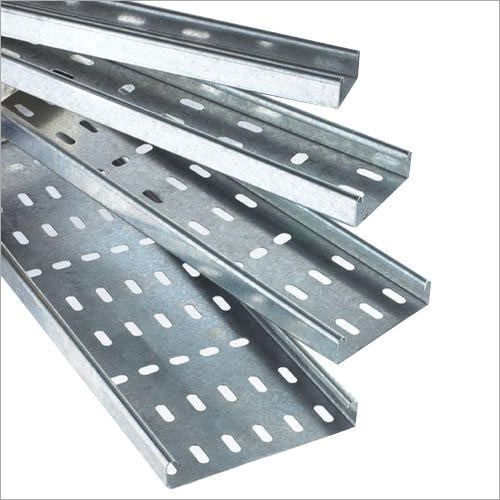
Tell us about your requirement

Price:
Quantity
Select Unit
- 50
- 100
- 200
- 250
- 500
- 1000+
Additional detail
Mobile number
Email

More Products in Perforated Cable Trays Category
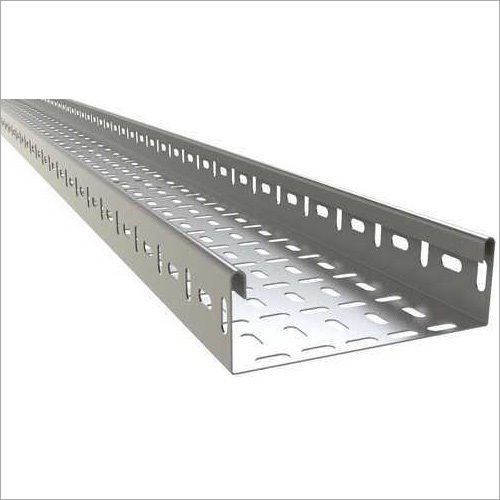
Hot Deep Galvanized Perforated Cable Trays
Price 99 INR / Meter
Minimum Order Quantity : 1 Unit
Surface Finish : GI Galvanized
Product Type : Other
Conductor Material : Iron
Material : Other
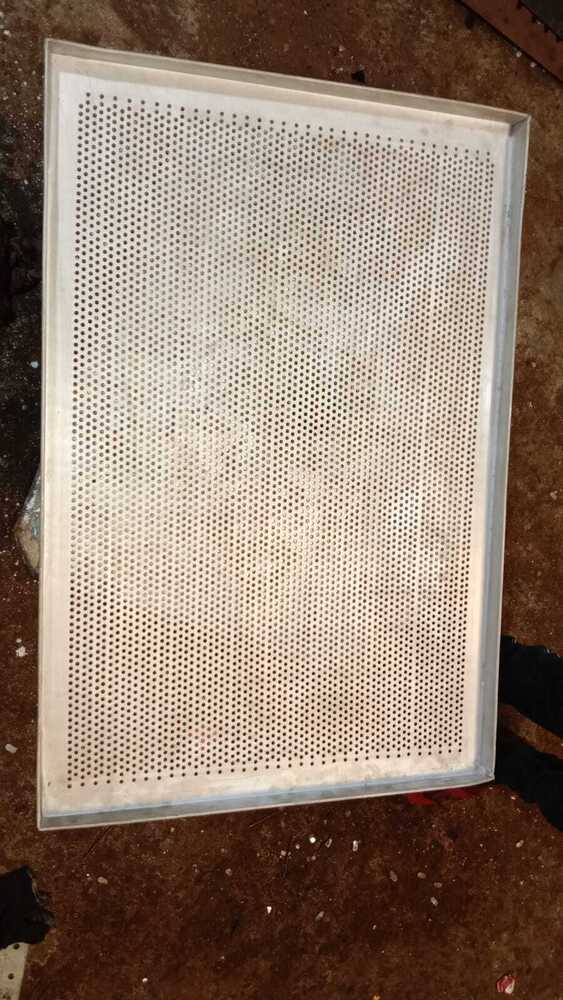
heating tray
Price 1 INR / Number
Minimum Order Quantity : 10
Surface Finish : GI Galvanized
Product Type : Other
Conductor Material : Aluminum
Material : Steel
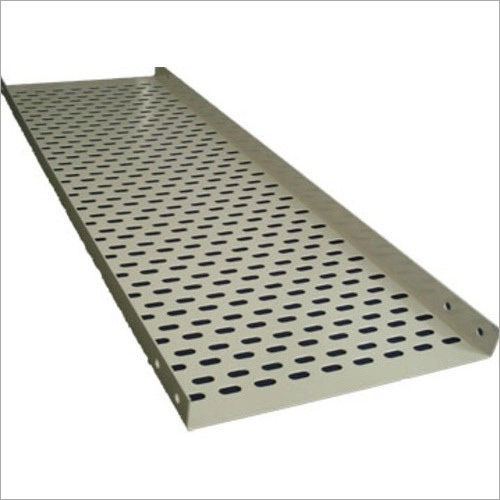
Powder Coated Perforated Cable Trays
Price 99 INR / Meter
Minimum Order Quantity : 1 Unit
Surface Finish : Powder Coated, GI Galvanized
Product Type : Other , Perforated Cable Trays
Conductor Material : Iron
Material : Steel

Address
BHUVANESHWAR PERFORATORS
GST : 27AFHPC2622N1ZH
GST : 27AFHPC2622N1ZH
- Gala No. D-5, Star Industrial Estate, Near Hanuman Mandir, Naikpada Road, Waliv, Vasai E, Vasai - 401208, Maharashtra, India
- Phone :08045801784
- Send Inquiry
 Send Inquiry
 Send Inquiry
 Send SMS
 |
BHUVANESHWAR PERFORATORS
All Rights Reserved.(Terms of Use) Developed and Managed by Infocom Network Private Limited. |
